
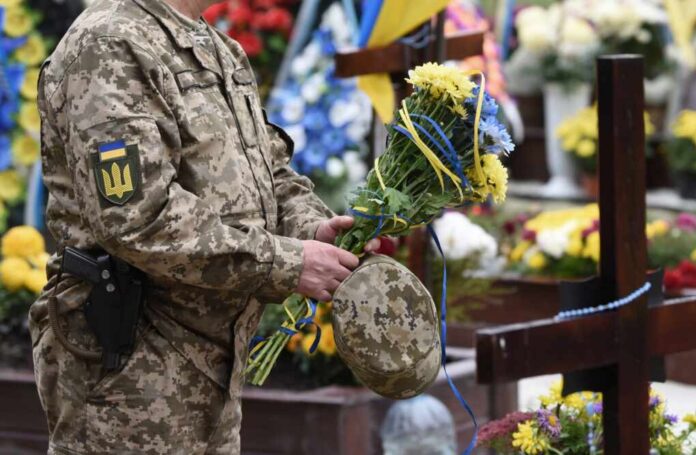
The largest body repatriation exchange of the prolonged conflict occurred on January 29, 2026, as Ukraine received the remains of 1,000 fallen soldiers from Russia in exchange for 38 Russian servicemen remains. Facilitated by the International Red Cross, this grim, asymmetric swap highlights the staggering human cost of the war and underscores growing conservative demands for an immediate U.S. disengagement from the conflict’s quagmire. The exchange is set against a backdrop of ongoing civilian strikes and intensifying diplomatic efforts, including forthcoming UAE-mediated talks.
Story Highlights
- Ukraine received 1,000 bodies of its soldiers on January 29, 2026, while returning just 38 Russian ones, underscoring Russia’s battlefield dominance.
- First repatriation of the year, facilitated by the International Red Cross under 2025 Istanbul agreements, amid ongoing civilian strikes.
- As President Trump prioritizes America’s borders and ends wasteful overseas spending, this grim swap highlights why conservatives demand an immediate U.S. disengagement from Ukraine’s quagmire.
- Over 14,480 Ukrainian bodies returned since 2025, revealing massive casualties from a conflict draining U.S. resources without victory.
- UAE-mediated talks loom, but asymmetric exchanges signal Russia’s leverage, pressuring Zelensky as peace efforts intensify.
Exchange Details and Timeline
On January 29, 2026, Ukraine’s Coordination Headquarters for Treatment of Prisoners of War announced the repatriation of 1,000 fallen soldiers’ remains from Russia near Chernihiv in northern Ukraine. Moscow returned the bodies, which it claims belong to Ukrainian defenders, in exchange for 38 Russian servicemen remains. The International Red Cross facilitated the swap, with photos showing hazmat-suited handlers and Red Cross vehicles near refrigerated trucks. This marks the first such exchange of 2026 and the largest single repatriation to date. Kremlin aide Vladimir Medinsky and State Duma lawmaker Shamsail Saraliyev confirmed the details via Telegram and RBC reports.
1000 Ukrainian Heroes are finally coming home 🫡
A major repatriation of fallen soldiers has taken place between #Ukraine and #ruZZia. Ukraine has successfully brought home the bodies of 1000 fallen Heroes, while transferring 38 bodies of the ruZZian occupiers to the other side. pic.twitter.com/OcRCkEc8Sf— Aurora Borealis 🤫 (@aborealis940) January 29, 2026
Historical Context of Repatriations
Russia’s full-scale invasion of Ukraine began on February 24, 2022, resulting in tens of thousands of military casualties on both sides with limited transparency on losses. Body repatriations and prisoner exchanges have continued as rare points of cooperation. In 2025, 14 exchanges returned 14,480 Ukrainian bodies and 391 Russian ones, enabled by Moscow-Kyiv talks in Istanbul, Turkey, starting in June 2025. These agreements allowed Ukraine to recover remains from Russian-held territories. The asymmetric numbers reflect Russia’s ongoing offensive gains, capturing more Ukrainian soldiers.
Exchanges persist amid Ukraine’s harsh 2026 winter, where Russian strikes killed six civilians on the same day in Zaporizhzhia, Kherson, and Kryvyi Rih, disrupting power supplies. Diplomatic efforts include UAE mediation, with Putin meeting UAE President Mohamed bin Zayed in Moscow on January 29, and upcoming Abu Dhabi talks on February 1.
Stakeholders and Motivations
Ukraine’s Coordination Headquarters coordinates repatriations, thanked the Red Cross, and now oversees forensic identification by investigators and specialists. Russia verifies through Medinsky, linking to Istanbul pacts, and Saraliyev, who shared photos. The ICRC mediates humanitarian access. UAE positions itself as a neutral broker, facilitating prior swaps. Ukraine seeks closure for families and morale boosts; Russia holds leverage from territorial gains, possibly advancing claims in talks. Power dynamics favor Moscow, sustaining mediated cooperation despite the war.
Decision-makers include Zelensky, facing hometown attacks and U.S. peace pressures; Putin, engaging UAE; and officials from the U.S., Russia, and Ukraine for Abu Dhabi discussions, though U.S. attendance remains uncertain under President Trump’s America First policy.
Impacts and Path Forward
Short-term, the exchange enables burials for grieving Ukrainian families, relieving front-line units and sustaining humanitarian channels during the winter crisis. Long-term, it signals potential ceasefires through Istanbul and UAE frameworks but underscores high casualties since 2022. Socially, Ukraine gains a morale lift yet confronts stark losses; politically, it pressures Zelensky amid U.S.-pushed peace talks. No direct economic data exists, though the war disrupts energy. The humanitarian sector benefits from ICRC reinforcement, while UAE diplomacy gains global traction.
For Americans weary of globalist entanglements, this swap reinforces conservative calls to end U.S. funding for Ukraine. President Trump’s focus on securing our borders and slashing overspending protects taxpayers from footing endless bills for foreign wars that yield no victories. Families on both sides deserve closure, but true peace demands realistic negotiations, not prolonged proxy conflicts eroding U.S. strength.
Watch the report: Russia returned the bodies of 1,000 soldiers to Ukraine. – YouTube
Sources:
- Dawn: Ukraine receives 1,000 bodies from Russia
- The Moscow Times: Russia returns bodies of 1K Ukrainian soldiers
- Kyiv Independent: Ukraine repatriates bodies of 1,000 fallen soldiers