

A violent mob torched Ebola isolation tents in Congo after demanding a body for traditional burial, spotlighting how panic and weak institutions can turn life-saving rules into chaos [1][2].
Story Snapshot
- Witnesses and officials say youths burned Ebola isolation tents after staff withheld a body over contagion risks [1][2].
- Security intervened after stones injured a health worker; gunshots were heard near the burning site [1][2].
- Local reports tied the unrest to strict safe-burial rules during an active outbreak response [2][3].
- Broadcast summaries cite hundreds of suspected cases and over one hundred suspected deaths in the region [2].
What Happened At The Hospital Site
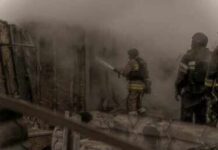
Reporters and officials described an attack on Ebola isolation tents in Rwampara, eastern Democratic Republic of the Congo, during a dispute over a deceased patient’s body [1][2]. A hospital official told Agence France-Presse that young people entered the hospital compound and burned two isolation tents after trying to retrieve the body, injuring a healthcare worker with thrown stones before law enforcement intervened [1]. Coverage also showed residents chasing and striking a white four-wheel drive vehicle commonly used by aid groups near the scene [2].
A security coordinator for the response said the violence stemmed from a misunderstanding of burial rules requiring all bodies to be handled under outbreak regulations, rather than released for traditional ceremonies [2]. Broadcast summaries described gunshots heard as the tents burned, adding to the confusion and fear on the ground [2]. One witness account recounted how the crowd set fire to the tents while demanding the release of a body believed to be linked to Ebola, further underscoring the direct connection between the burial dispute and the destruction [2].
Why Burial Protocols Became A Flashpoint
Health officials emphasized that safe-burial procedures are central to stopping transmission, which is why the body was reportedly withheld for controlled handling [2][3]. Multiple independent summaries consistently identified the target as an Ebola isolation or treatment facility, not a generic structure, showing the attack directly damaged outbreak-control infrastructure [1][2]. Coverage linked the incident to a broader Ebola response across Congo and neighboring Uganda, where authorities stressed that controlled burials reduce spread risk from highly infectious remains [2][3].
Regional outlets cited a substantial suspected caseload and death toll to explain why strict protocols were in force, reporting over six hundred suspected cases and at least one hundred thirty-nine suspected deaths tied to the outbreak [2]. These figures, presented in broadcast clips, illustrate the scale of pressure facing medical teams and local officials. However, the materials provided do not include the underlying World Health Organization situation reports or formal protocol texts that would verify the exact rules and caseload details on the record [2].
Limits Of The Available Evidence
The available accounts rely on short-form broadcast segments and reposted video summaries rather than full agency dispatches, police reports, or hospital incident logs, which limits granular verification of timing and tent utilization at the moment of the fire [1][2]. The reports do not establish whether the deceased at the center of the dispute had a laboratory-confirmed Ebola result, instead using terms such as “suspected” or “believed,” which narrows certainty around the specific medical basis for the burial restriction in that individual case [2][3].
Protesters Torch Ebola Treatment Center Tents in DR Congo Amid Burial Dispute
Demonstrators in the Democratic Republic of the Congo reportedly set fire to tents at an Ebola treatment facility after authorities prevented them from retrieving the body of a man believed to have… pic.twitter.com/kADxcirGrL
— Washington Eye (@washington_EY) May 22, 2026
The evidence set also does not identify the issuing health authority for the burial instructions or present the full guidance text, leaving gaps in assessing whether rules were standard or adapted locally [2]. Even so, officials and witnesses consistently tied the clash to safe-burial enforcement, and multiple outlets documented that an Ebola-specific isolation site was burned. These facts, taken together, indicate a hostile operating environment for outbreak teams where community mistrust can quickly undermine life-saving protocols amid a volatile security backdrop [1][2][3].
Sources:
[1] YouTube – Parts of DRC Ebola hospital scorched to ground after riot by victims …
[2] YouTube – Ebola treatment center burned down amid chaos in Congo
[3] Web – Crowd sets Ebola hospital tents on fire in DRC – Apple Podcasts