

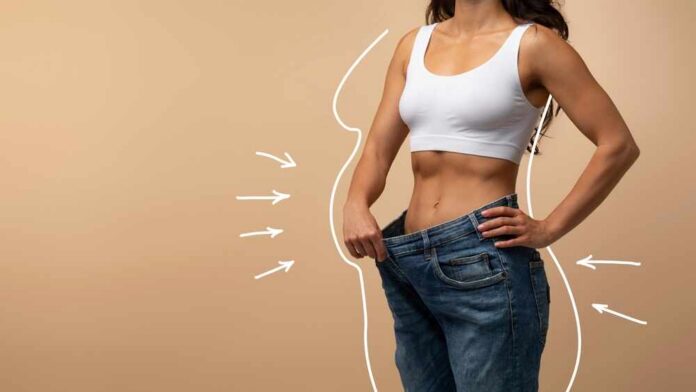
A single outpatient procedure may free millions of Americans from the costly cycle of lifelong weight-loss drugs, challenging Big Pharma’s grip on obesity treatment with a one-time “gut reset” that early trial data suggests could stop the weight regain plaguing Ozempic and Wegovy users.
Story Snapshot
- Duodenal mucosal resurfacing procedure showed significantly reduced weight regain compared to sham treatment in REMAIN-1 trial participants who stopped GLP-1 medications
- The minimally invasive endoscopic treatment targets damaged gut lining to reset hormone regulation, offering one-day recovery and no serious complications in early results
- Research confirms 60-80% of patients regain weight within 1-2 years after stopping drugs like Ozempic, costing roughly $1,000 monthly for continued use
- New approach could shift obesity care from perpetual pharmaceutical dependence to a single metabolic intervention, disrupting the current treatment paradigm
Breaking Free from the Prescription Treadmill
Researchers presented findings at Digestive Disease Week 2026 showing that duodenal mucosal resurfacing significantly reduced weight regain in patients discontinuing tirzepatide, a popular GLP-1 medication. The REMAIN-1 trial tracked 45 participants who had lost at least 15 percent of their body weight on the drug—29 received the active procedure while 16 got a sham treatment. After six months off medication, those who underwent the actual resurfacing regained far less weight than the control group, with benefits strengthening over time rather than diminishing. The procedure uses controlled heat to ablate and renew the duodenal lining in a single outpatient session under anesthesia.
The Biology Behind the Weight Rebound
GLP-1 receptor agonists like Ozempic and Wegovy revolutionized weight management in the early 2020s by suppressing appetite and slowing gastric emptying, producing 15-20 percent weight loss in many users. However, studies consistently show that stopping these medications triggers predictable rebound weight gain—approximately 0.4 kilograms per month, with most patients fully reversing their losses within 1.7 years. Lead researcher Dr. Sullivan explained that high-fat, high-sugar diets damage the duodenal lining, impairing its ability to properly regulate metabolic hormones. The resurfacing procedure targets this root cause by removing damaged tissue and allowing healthier mucosa to regenerate, potentially resetting the body’s natural hormone signaling without requiring ongoing pharmaceutical intervention.
A Common-Sense Alternative to Perpetual Pills
The trial’s sham-controlled design strengthens its credibility—participants didn’t know whether they received the actual treatment, eliminating placebo effects that plague many weight-loss studies. Dr. Sullivan noted the procedure appears to target “the right biology” because benefits increased rather than faded over the six-month follow-up period, mimicking the dose-response pattern seen with effective medications. For Americans frustrated by healthcare costs and pharmaceutical company profits, this represents a potential escape from monthly bills exceeding $1,000 for medications that require indefinite use. The one-day recovery time makes the procedure accessible to working people who cannot afford extended medical leave, addressing practical barriers that keep innovative treatments out of reach for ordinary citizens.
Unanswered Questions and Industry Resistance
While the early results appear promising, the REMAIN-1 trial remains investigational with only 45 participants tracked for six months—a relatively small sample over a limited timeframe. Long-term durability beyond this initial period remains unknown, and FDA approval will require substantially more data before the procedure becomes widely available. Pharmaceutical companies manufacturing GLP-1 drugs face a potential threat to their business model if a one-time procedure proves as effective as years of continuous medication. The current obesity treatment landscape generates billions in recurring revenue for drug makers, creating financial incentives to emphasize lifestyle interventions and medication tapering rather than supporting research into competing solutions. Whether regulatory agencies will expedite approval for a procedure that could reduce dependence on expensive pharmaceuticals remains to be seen.
The convergence of rising obesity rates, unaffordable medication costs, and promising endoscopic innovation highlights a broader problem: Americans increasingly feel trapped in a healthcare system that prioritizes corporate profits over patient outcomes. Duodenal mucosal resurfacing may offer a path forward, but its success will depend on whether researchers, regulators, and medical professionals can overcome industry resistance to deliver this potential solution to the millions seeking lasting weight management without lifelong pharmaceutical dependence.
Sources:
Simple “gut reset” may stop weight gain after Ozempic or Wegovy – ScienceDaily
Stopping GLP-1 Weight Regain Review – Healthline
Weight Gain After Ozempic: Registered Dietitian Weight Loss Tips – Fay Nutrition
How to Not Gain Weight After Stopping Ozempic – Virta Health
Stopping Ozempic/Wegovy: Best Habits to Keep Weight Off – Stanford Maria
Maintain Weight Loss After GLP-1 – Smiley Aesthetics
What to Eat on Weight Loss Drugs – AARP