

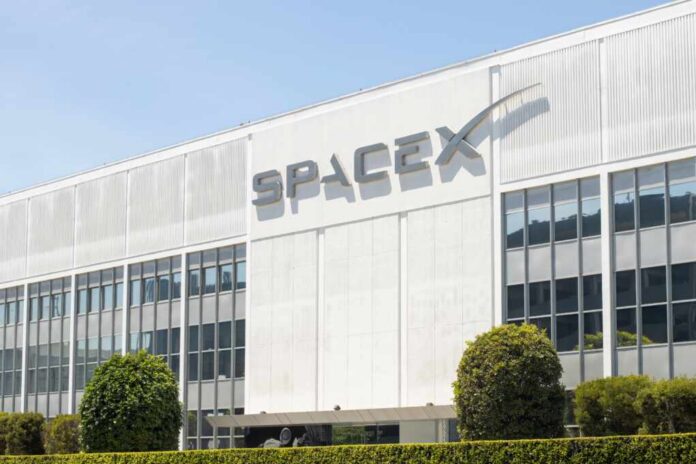
SpaceX just pulled off the biggest initial public offering (IPO) in history — but some analysts say ordinary investors may be the ones left holding the bag.
At a Glance
- SpaceX raised $75 billion by selling shares at $135 each on the Nasdaq, setting a new record for the largest IPO ever.
- The offering values SpaceX at roughly $1.75 trillion, despite the company reporting a $4.9 billion net loss in 2025.
- A Nasdaq rule change forces index funds to buy SpaceX shares within 15 days, creating automatic demand regardless of price.
- Analysts are split — some see a generational opportunity, while others warn of extreme overvaluation and post-IPO volatility.
The Biggest IPO Ever — By a Wide Margin
SpaceX listed on the Nasdaq stock exchange under the ticker symbol SPCX, offering 555.6 million shares at $135 each to raise $75 billion. [1] That makes it the largest IPO in stock market history, surpassing previous records by a huge margin. The deal values the company at roughly $1.75 trillion — placing it among the most valuable companies on earth from day one. A 21-bank syndicate, led by Goldman Sachs, backed the offering, and retail orders alone topped $70 billion before the stock even began trading. [3]
The speed and scale of this deal are unlike anything Wall Street has seen before. SpaceX skipped the traditional roadshow process, where companies spend weeks pitching to big investors. Instead, the price was set quickly and the deal moved fast. [2] That unusual approach raised eyebrows among market watchers who noted that the normal checks and balances of the IPO process were compressed or bypassed entirely.
The Numbers Behind the Hype
SpaceX reported $18.7 billion in revenue for fiscal year 2025 — but also posted a net loss of $4.9 billion. [8] Only one of its three business segments made money: Starlink, the satellite internet service, earned $4.42 billion in profit. The space launch segment and the artificial intelligence segment both ran at significant losses. In total, SpaceX has lost roughly $37 billion since it was founded, with most of that going toward research and development. [8]
At $135 per share, investors are paying about 95 times the company’s annual revenue — a ratio far above what most tech companies commanded at their IPOs. For comparison, Robinhood traded at about 30 times revenue and Coinbase at about 50 times revenue when they went public. [8] Supporters argue that SpaceX’s future potential — especially in AI, where it has secured contracts worth billions from companies like Anthropic and Google — justifies the premium. Critics say that argument asks investors to bet on a speculative future, not today’s business.
A Rigged Game for Regular Investors?
One of the sharpest concerns involves a rule change by the Nasdaq stock exchange. The new rule allows large IPOs to be added to major stock indexes immediately, without the usual one-year waiting period. [6] That means index funds — which millions of Americans invest in through their 401(k) retirement accounts — are forced to buy SpaceX shares within 15 days, no matter what the price is. Critics say this creates artificial demand that pushes the stock price up, benefiting insiders and early investors at the expense of everyday Americans who have no choice but to buy in. [6]
🎥 #BiggestHeistInHistory by @elonmusk with the support of President @realDonaldTrump: The SpaceX IPO and the #PlunderingOfRetirementAccounts of millions of Americans 👇👇
👈 Anna Kasparian @AnaKasparian
✅ 1- Claims
1.1 Elon Musk is set to launch the largest initial public… https://t.co/RJLnyY1UBA pic.twitter.com/pItQUtDLKL— Akbar Ganji (@GanjiAkbar) June 12, 2026
Less than 5% of the shares were made available to the general public. [6] The rest went to large institutional investors like BlackRock, which reportedly placed an order for at least $5 billion in shares. That structure means most of the upside at the opening price goes to wealthy insiders, while regular investors buy in later at higher prices. Ray Wang, an analyst at Constellation Research, summed it up plainly: “Wait for the first dip and then come in.” [9] He compared the expected pattern to Facebook’s IPO, which debuted strong, then dropped sharply before recovering. History shows that Airbnb, DoorDash, Uber, Robinhood, and Coinbase all followed a similar pattern — big debut, then a significant pullback. [8] For everyday investors, the lesson is the same: excitement at launch does not equal a safe investment.
Sources:
[1] Web – SpaceX IPO set for liftoff in record market debut
[2] Web – SpaceX Targets $75 Billion in IPO at $135 Per Share – Bloomberg.com
[3] YouTube – SpaceX To Target $75B in IPO at $135 Per Share | Bloomberg Tech
[6] Web – There is little normal about the SpaceX initial public offering. But …
[8] YouTube – SpaceX IPO Raises $75 Billion in Biggest Debut of All Time
[9] YouTube – SpaceX IPO: A timeline and the implications that go well …