
America hit back fast after an Iranian drone downed a U.S. Army Apache, and Tehran is warning it will strike back harder.
Story Highlights
- U.S. Central Command called the strikes self-defense and proportionate [2].
- The Apache went down near the Strait of Hormuz after contact with an Iranian drone [2].
- Iranian forces threatened a harsh response to U.S. action [1].
- Reporters say intent of the drone strike remains under investigation [7].
What Happened Near the Strait of Hormuz
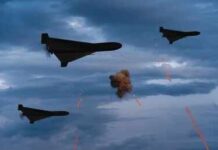
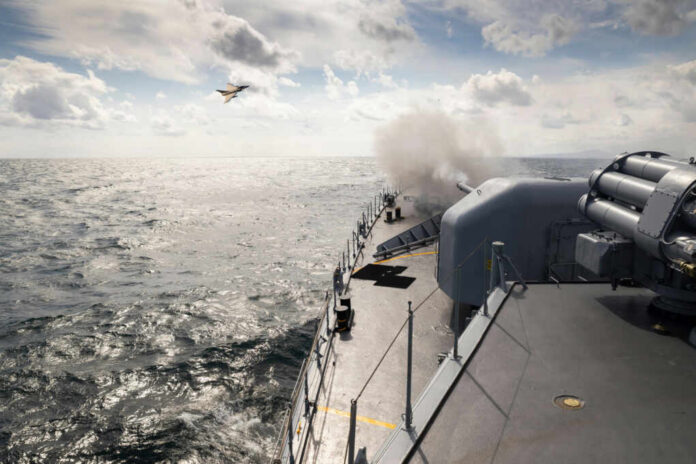
U.S. forces launched retaliatory strikes on Iranian targets after an Army Apache helicopter went down near the Strait of Hormuz. Reporters, citing U.S. Central Command, said an Iranian drone hit the helicopter the day before the strikes. The Strait is a vital shipping lane where small moves can spark bigger fights. The timing and wording show a quick U.S. reply meant to deter more hits on American forces and to set the public frame of self-defense [2].
Iranian media and military voices quickly warned of a strong answer to any U.S. action. Broadcasts carried threats that a “heavy response” would follow U.S. strikes. Such messages are common in Tehran’s playbook and aim to raise costs and fear. They also raise the chance of missteps at sea or in the air if both sides move forces closer in tight waters like those off southern Iran and the Strait of Hormuz [1].
How The Pentagon Framed the Mission
U.S. Central Command described the operation as self-defense and proportionate. That language matters at home and abroad. It signals that Washington is not seeking a wider war, but will punish clear attacks on U.S. troops and gear. The careful phrasing supports deterrence, backs morale for deployed forces, and shows allies that America will act when hit. Politico’s report quoted this posture from Central Command on the night of the operation [2].
Live updates from national outlets echoed that framing. They reported that U.S. forces began “self-defense strikes” after the Apache’s loss. Those same reports noted that some facts were still being checked, such as the drone’s intent and the exact sequence. That gap is common in the first 24 to 48 hours of fast-moving events. Officials share what they can, while investigations collect radar tracks, video, and debris data to confirm claims [7].
What We Know—and What We Do Not
We know the United States struck targets in Iran after the Apache was hit near the Strait of Hormuz. We know Central Command used the terms self-defense and proportionate. We also know Iranian voices threatened a harsh reply. What remains unclear in open reports is whether the Iranian drone meant to hit the U.S. helicopter, or whether it was reckless or accidental contact. Reporters said that point was under review as the strikes began [2][7][1].
That lack of public detail does not erase the duty to protect American service members. When an American aircraft goes down after contact with an Iranian drone, leaders must act to stop more attacks. The goal is to set red lines and prevent a pattern of hits and probes. Proportionate strikes aim to punish the bad act and remove threats without sliding into a broader war. That balance is hard in crowded skies and seas near Iran’s coast [2][7].
Why Deterrence Matters for U.S. Security and Energy Costs
Strong deterrence helps keep ships moving through the Strait of Hormuz. About a fifth of the world’s seaborne oil moves through that narrow route. Any chaos there can raise energy prices fast and hit American families at the pump. Clear and swift U.S. action tells Tehran and its partners that attacks will have a cost. That reduces the odds of more strikes on U.S. forces, tankers, or allies in the region, and supports stable energy supplies [2].
US Launches Retaliatory Strikes on Iran
The United States has begun military strikes against Iran in response to Iran shooting down a US Apache helicopter over the Strait of Hormuz. President Trump ordered the action after confirming the incident. Both pilots were safely rescued.… pic.twitter.com/sQZ1P0PtLY— Danial Khan Khakwani (@DanialKhakwani) June 10, 2026
Americans want peace, not endless wars. They also expect their government to protect troops, defend free navigation, and avoid mission creep. The administration’s use of “self-defense” and “proportionate” signals that intent. Still, Congress and the public should demand continued briefings as facts firm up. Transparency on targets, legal grounds, and risk control helps maintain trust, deters foes, and prevents a slow drift into a larger fight that no one wants [2][7].
What Comes Next
U.S. commanders will study whether the strikes reduced risk to forces and shipping. They will watch for Iranian retaliation or proxy moves. Diplomats will press partners to keep sea lanes open and to warn Tehran off new aggression. If Iran escalates, Washington has options at sea, in the air, and in cyberspace. If Tehran stands down, this may restore a tense calm. Either way, clear lines, firm defense, and honest reporting will be key [1][2][7].
Sources:
[1] Web – U.S. military says it fired new strikes in Iran after downing of …
[2] Web – US launches retaliatory strikes on Iran after Apache helicopter downed …
[7] Web – U.S. forces on Tuesday evening launched strikes against Iran “in …