
A broken sponsor system and weak visa controls let criminal aliens slip through the cracks while children go “missing” in America.
Story Snapshot
- Federal records show hundreds of thousands of unaccompanied migrant children released with limited tracking and weak sponsor vetting.[3]
- Justice Department cases detail criminal smugglers posing as relatives and abusing children, exposing deep system failures.[3]
- Anecdotal claims about a “Disney World” criminal alien visa highlight how hard it is to confirm what happens to some visa holders.
- Immigration law gives tools to cancel visas and deport criminals, but uneven enforcement and poor follow-up leave serious gaps.[2]
How Biden-Era Failures Created a Dangerous Child Sponsorship System
Federal testimony shows that during the Biden years more than 475,000 unaccompanied migrant children entered the United States, with over 300,000 not properly tracked by late 2024.[3] Officials reported that the Office of Refugee Resettlement found more than 81,000 addresses used again and again for child placements, along with tens of thousands of missing safety and background checks on sponsors.[3] These numbers point to a system that moved children quickly but did not firmly verify who was taking them in or where they ended up.
A Department of Homeland Security inspector general review in 2024 warned that agencies could not account for many children once they left custody.[3] The report said fingerprint and DNA verification to confirm sponsors were real family members was used only part of the time.[3] Immigration and Customs Enforcement also failed to share key data or keep tracking children after release, leaving court hearings missed and notices to appear not issued.[1] While many of these children are likely safe with family, the government simply does not know for sure.
Criminal Smugglers Exploiting Weak Vetting and Fake Family Ties
Justice Department records describe how predators took advantage of this loose system.[3] One case involved Juan Tiel Xi, a 27‑year‑old man from Guatemala who brought a 14‑year‑old girl into the country by pretending to be her brother.[3] He then sexually assaulted her several times and was later sentenced to 10 years in federal prison.[3] In another case, three Guatemalan nationals were charged with smuggling more than a dozen unaccompanied children by using stolen identities and fake kinship claims to gain custody from federal shelters.[3]
Officials also identified more than 15,500 “super sponsors,” people taking in more than three unrelated children, often through suspicious or fraudulent paperwork.[3] These patterns show how gaps in background checks and address verification can turn a humanitarian program into a pipeline for abuse. For conservatives who care about the safety of children and the rule of law, these cases confirm that strong vetting is not anti‑immigrant; it is pro‑child and pro‑security. They also raise pressing questions about who was watching over these kids as they disappeared into the interior of the country.
Disney World Visa Claims, Legal Tools, and What We Can Really Prove
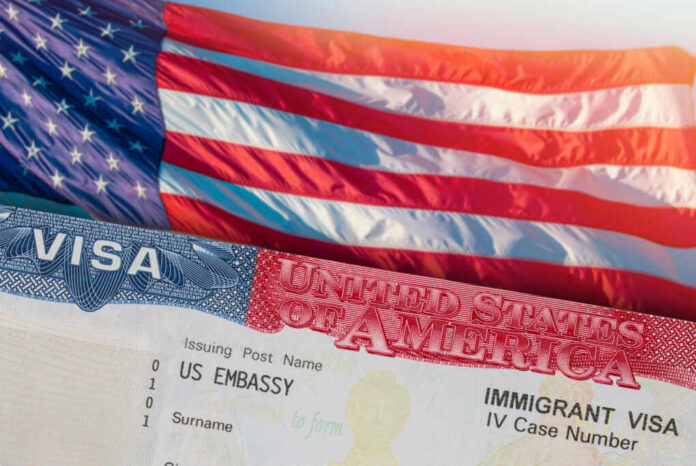
The story of a “criminal alien” who supposedly obtained a visa to visit Disney World and never left fits public concern about visa abuse but remains largely unverified at the document level. There are no public visa records, court filings, or Freedom of Information Act releases tying a specific named individual to that trip, visa type, or current status. The broader worry, however, is real: the visa and child sponsorship systems are complicated, and ordinary citizens rarely see clear proof that every dangerous person is removed when they should be.
Think bigger my friends.
How many people have thought Trump was going “easy” on green card holders for tech companies?
This Supreme Court decision just kicked a DOOR wide open.
Is FRAUD a crime?
How many “green card” applications from the past are FRAUDULENT?
Not being…
— JoeLange (@JoeLange) June 23, 2026
Federal law does provide tools to deal with criminal aliens. The Immigration and Nationality Act bars entry to any foreign national who lacks a valid visa and requires removal of those who violate admission terms or commit certain crimes in the United States.[2] Proposed Department of Homeland Security rules seek fixed time limits for stays and detailed extension procedures to reduce overstays.[3] And in some cases enforcement works as intended: United States authorities recently canceled visas for 27 cruise ship workers caught with child sexual abuse images and sent them back to their home countries.[7] At the same time, data show that only a small share of border apprehensions involve people with prior criminal convictions, and research finds immigrants overall are less likely to be incarcerated than native‑born Americans.[4][8] This means the problem is not “every immigrant,” but specific failures in vetting, tracking, and follow‑through—especially in the chaotic years before President Trump returned to office.
Sources:
[1] Web – Years Ago, a Criminal Alien Got a Visa to Visit Disney World. He’s …
[2] Web – Prosecuting People for Coming to the United States – American …
[3] Web – [PDF] Establishing a Fixed Time Period of Admission and an Extension …
[4] Web – [PDF] Testimony of Andrew R. Arthur Resident Fellow in Law and Policy
[7] YouTube – ‘I Was Arrested At Gunpoint’: Witness Recounts U-Visa Fraud By …
[8] Web – US authorities cancel cruise ship worker visas as part of child sexual …