
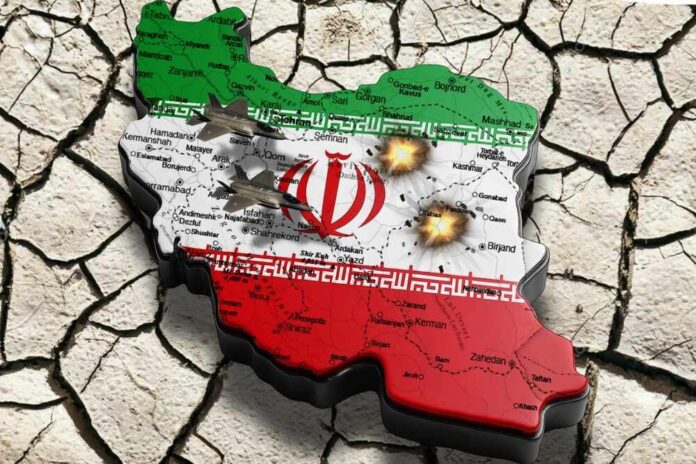
CENTCOM’s newly released “unclassified” strike footage sends a blunt message to Tehran: America is done playing defense while Iran builds missiles, drones, and nuclear leverage.
Quick Take
- CENTCOM released black-and-white aerial footage showing precision U.S. strikes on Iranian military infrastructure under Operation Epic Fury.
- The campaign targeted drones on runways, radar towers, missile batteries, and compounds tied to Iran’s security apparatus, alongside Israel’s parallel operation.
- Strikes began around 1:15 a.m. ET on Feb. 28, 2026, with additional footage released by March 2 showing hits on ballistic-missile targets.
- Iran condemned the strikes as “illegal,” while CENTCOM said the mission aims to eliminate imminent threats and defend Americans.
What CENTCOM’s New Footage Shows—and Why It Matters
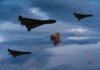
U.S. Central Command released unclassified aerial video on Feb. 28, 2026, showing munitions striking Iranian targets tied to drones, air defenses, and missile systems. The footage—monochrome, with a targeting reticle and an “unclassified” label—depicts explosions on runways and at fixed sites such as radar towers and missile batteries. U.S. messaging emphasizes precision and scale, portraying the operation as a necessary response to imminent threats and a sustained campaign rather than a one-night raid.
Operation Epic Fury unfolded as a joint pressure campaign alongside Israel, which described a massive air effort of its own. Reporting on the operational picture points to a combined air, sea, and land strike architecture: aircraft from carriers, cruise missiles from destroyers, and ground-based systems such as HIMARS. The practical takeaway for Americans watching from home is straightforward: the administration is showing capability and intent, and it is doing so publicly to deter further Iranian escalation and reassure allies in a region on edge.
Timeline: Strikes Begin, Then “Strikes Continue”
The sequence matters because it clarifies that the United States is executing a phased operation. Strikes reportedly began around 1:15 a.m. ET on Feb. 28 under presidential orders, followed by the release of strike footage later that day. By March 2, CENTCOM released additional video indicating follow-on strikes—specifically calling attention to ballistic-missile targets. That pacing aligns with the basic military logic described by analysts: degrade air defenses and key nodes first, then keep pressure on missiles and launch infrastructure as targets are identified and prioritized.
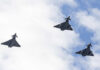
Pentagon-distributed imagery and video added context beyond the overhead strike clips, showing U.S. fighters and ships launching as part of the same operation. Defense reporting also highlighted the first combat use of a LUCAS one-way attack drone. Those details may sound technical, but they help explain why Iran’s fixed infrastructure—radars, batteries, and base facilities—featured prominently. Precision effects depend on the ability to find targets, suppress defenses, and sustain operational tempo without exposing pilots and crews to unnecessary risk.
Targets and Tactics: Air Defenses, Drones, and Missile Systems
The released footage and reporting point to a target set focused on Iran’s ability to threaten U.S. forces, Israel, and regional partners: drones on airfield runways, radar towers, missile batteries, and building compounds linked to the security apparatus. Analysts characterized the strikes as consistent with suppression or destruction of enemy air defenses—steps typically taken to reduce risk to aircraft and improve freedom of maneuver. Even without every location named publicly, the visible pattern fits a strategy aimed at reducing Iran’s launch capacity and sensor coverage.
At the strategic level, the strikes are framed as part of a broader effort to prevent Iran from translating nuclear work and missile development into coercive power. The Trump administration’s posture, as reflected in public statements carried in reporting, centers on preventing Iran from acquiring nuclear weapons and degrading capabilities that could endanger Americans. While critics call this escalation, the factual record presented in the available materials emphasizes imminent-threat language and defensive aims—claims that will be judged in part by whether Iran’s retaliatory capacity declines over time.
Retaliation, Civilian Risk, and What Remains Unclear
Iran retaliated with missiles and drones after initial strikes, with reporting describing many interceptions and minimal damage to U.S. assets in some instances. Regional disruption spread beyond the battlefield: airspaces closed and flights were canceled across parts of the region, highlighting how quickly conflict threatens commerce and travel. Casualty reporting inside Iran described more than 200 killed and hundreds injured, and accounts included claims of civilian harm, including at a school—an unavoidable reminder that even precision warfare carries grave risks when fighting near populated areas.
Some of the most explosive claims remain unverified based on the provided research alone. Israel claimed it killed Supreme Leader Ayatollah Ali Khamenei, but other reporting noted the claim lacked independent confirmation at the time. That uncertainty matters because leadership decapitation would be a major escalation with unpredictable consequences. For now, the most supportable conclusion is narrower: the U.S. and Israel are sustaining a multi-domain campaign against Iran’s missile, drone, and air-defense infrastructure, and the next phase depends on Iran’s capacity and willingness to keep firing back.
Sources:
Iran attack: US posts footage of strikes, launch of Operation …
US Shares Video of Its Iran Strikes, Including Destroying …
Satellite images provide view inside Iran at war