

Russia’s latest wave of missiles and drones turned Kyiv’s neighborhoods into a war zone, raising hard questions about who is really keeping ordinary people safe.
Story Snapshot
- Russian forces launched one of their largest air attacks of the war, hitting Kyiv and other cities with dozens of missiles and hundreds of drones, killing many civilians.
- Residential buildings and everyday infrastructure across multiple districts of Kyiv were damaged, showing how front-line violence now reaches far beyond military targets.
- Casualty counts differ between reports, but all confirm rising civilian deaths and injuries as Russia’s air campaign grows more complex and deadly.
- The strikes fit a broader pattern of massive drone and missile barrages, while global leaders and national governments struggle to stop the war or fully protect civilians.
Largest Strikes Yet Hit Kyiv’s Civilian Neighborhoods
Russian forces recently launched what Ukrainian officials describe as one of the largest aerial attacks since the full-scale war began. Ukrainian air force data and Associated Press reporting say Russia fired about 73 missiles and more than 650 drones during a single night, aimed at Kyiv and several other major cities. Many of these weapons were ballistic missiles, which fly very fast and are hard to shoot down. Witness video from Kyiv shows bright trails of incoming missiles and huge explosions lighting the night sky.
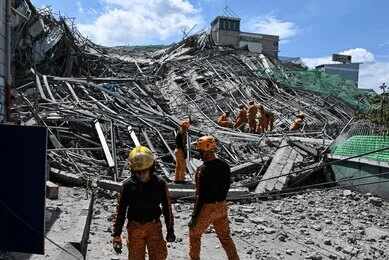
These strikes did not only hit military sites. Reports say residential buildings, a clinic, and other civilian infrastructure in Kyiv were damaged. An earlier Associated Press video from June 2 shows smoke rising from a blasted building, firefighters fighting flames, and rescue crews working in the dark. Local officials and journalists describe damage across at least eight districts of the capital, with people trapped under rubble and neighborhoods left without power. For families who thought the capital might be safer than the front lines, the message is clear: nowhere is truly safe.
Death Toll Keeps Rising, Even As Numbers Differ
Different trusted outlets give different casualty numbers, but they all paint the same picture of growing civilian harm. The June 2 attack reported by Associated Press killed at least 18 civilians and injured 131 across Ukraine. Another major overnight barrage, covered by international broadcasters, killed about 22 people and injured around 130, with strikes hitting Kyiv, Dnipro, Kharkiv, Zaporizhzhia, Poltava, and Sumy. Separate reports on other days mention at least six dead in Kyiv, or ten killed including an American citizen, with more than one hundred injured.
Ukraine’s own strike log for Kyiv lists a July 2, 2026 attack in which Russian forces launched 74 missiles and nearly 500 drones mainly at the capital, with 13 people killed and more than 30 injured. These differing counts come from fast-moving emergencies, where rescue teams often update numbers as they find more victims. The exact totals matter for justice and history. But even with the disagreements, one fact is not in doubt: civilians across Kyiv are being killed and maimed in repeated Russian air attacks.
Mass Drone Warfare Shows a Dangerous New Normal
The Kyiv strikes are part of a bigger shift in how Russia fights this war. Analysts tracking Russian drone use say April 2026 saw a new peak in attacks, with about 6,583 Shahed-type drones launched in that one month alone. That is an average of more than 200 drones every day. These attacks often use layered tactics. Cheap or dummy drones fly first to force Ukrainian air defenses to fire. Then strike drones and missiles follow in waves, trying to slip through gaps and overwhelm defenses.
BREAKING:
Yesterday’s massive Russian airstrikes against Ukraine have caused the civilian death toll to climb to 28. Numerous individuals remain unaccounted for, feared trapped beneath the remnants of collapsed residential buildings. A minimum of 17 deaths occurred in Kyiv… pic.twitter.com/PC2htn2lvE
— Secret Feeds (@TheSecretFeeds) July 2, 2026
Kyiv’s own strike history shows how common and intense these attacks have become. One public log notes that in 2024 the city endured about 1,300 drone strikes and more than 250 missile attacks in roughly 200 separate air raids, leaving hundreds of residential buildings damaged and civilians dead. By July 2025 and into 2026, Russia was launching record numbers of drones and missiles at the wider Kyiv area, sometimes sending hundreds of weapons over about 38 hours. For people living under this sky, long nights of sirens, blackouts, and fear are now routine.
Powerful States Fight, Ordinary People Absorb the Cost
These new strikes also expose a deeper frustration that many Americans, both conservative and liberal, feel about their own leaders. While Russia and Ukraine trade massive barrages, global powers talk about summits and sanctions. A deadly Kyiv attack with at least ten people killed happened as leaders met at a Group of Seven summit in Canada, yet the war still escalated afterward. That makes it easy for many to feel that elite diplomacy is more about speeches and photo ops than real protection for ordinary families in any country.
In the United States, people who are tired of endless wars, broken promises, and rising costs see images from Kyiv and ask hard questions. If foreign governments can launch thousands of drones and missiles in a single month, why do so many American lawmakers seem more focused on staying in office than on defending basic security and economic stability at home? The Kyiv strikes show how modern war hits regular people first. They also remind us that when powerful states clash, it is usually ordinary citizens—whether in Ukraine, Russia, or the United States—who pay the highest price while elites argue and maneuver above them.
Sources:
youtube.com, kyivindependent.com, reuters.com, abcnews.com