
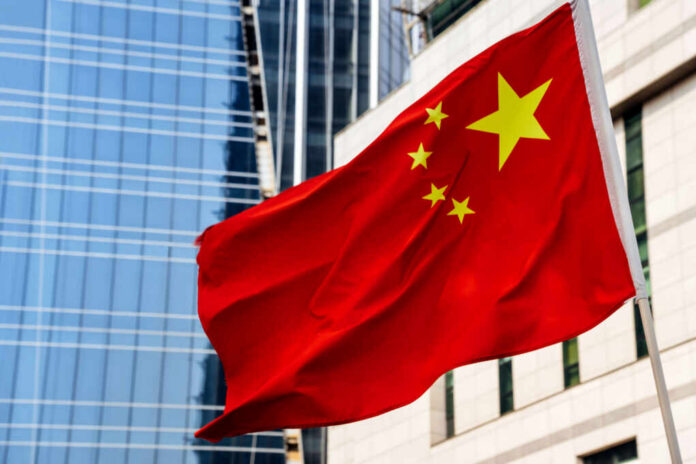
China’s top diplomat is heading to Ottawa promising a “new partnership,” but the bigger question hanging over the visit is whether Canada is entering a genuine reset with Beijing or stepping into a carefully managed diplomatic pressure campaign wrapped in polite language.
Story Snapshot
- Wang Yi will visit Canada May 28–30 at Anita Anand’s invitation, the first such trip in a decade.[1][3]
- Beijing already calls the relationship a “turning point” toward a renewed strategic partnership.[2]
- Ottawa’s public record so far is thinner, raising questions about who is writing the narrative.
- The visit tests whether Canada can engage China without sacrificing security, sovereignty, or values.
Why Wang Yi’s Trip Matters More Than the Photo Ops
China’s Ministry of Foreign Affairs confirmed that Foreign Minister Wang Yi will visit Canada from May 28 to May 30 at the invitation of Foreign Minister Anita Anand.[1][3] That sounds routine until you remember this is the first visit by a Chinese foreign minister to Canada in roughly ten years, after years of deep chill over detained Canadians, security concerns, and accusations of interference. Beijing is packaging this as proof that relations are back on track, but the hard question is: back on whose terms?
Diplomacy rarely announces itself with blunt language. Chinese and Canadian officials instead talk about “turning points,” “positive momentum,” and “mutual trust.”[2] Those words matter because they are carefully chosen signals. When a government that previously denounced you as hostile suddenly declares a “new type of strategic partnership,” that is not just being friendly; it is drawing a frame that can later be used to pressure you to behave like a “partner” on trade, technology, and foreign policy, whether or not anything important actually changed.
The January Meeting That Set Up the May Gamble
This visit did not appear out of thin air. On January 15, 2026, Wang Yi met Anita Anand in Beijing as part of Prime Minister Mark Carney’s trip, the first by a Canadian leader in eight years.[2] Wang called it a “turning point” and said the visit held symbolic significance for bilateral relations.[2] The message from Beijing was unmistakable: the freeze is over, the reset is on, and Canada should act accordingly. Symbolism is cheap; leverage built on that symbolism is not.
The Chinese transcript of that January meeting is full of optimistic phrasing. It says China is ready to “strengthen communication, enhance mutual trust, eliminate interference, and deepen cooperation with Canada.”[2] On paper, Anand reciprocates, with Beijing quoting her as saying the new Canadian government “attaches great importance” to the relationship and that ties have “reached a turning point towards improvement and development.”[2] To the casual reader, that looks like harmony. To a wary observer, it raises another question: how much of that language reflects Canada’s own script, and how much reflects China’s editing?
Strategic Partnership Or Strategic Packaging?
Beijing’s description of the January discussion leans heavily on the term “strategic partnership.” Chinese officials describe a desire to “jointly build a new type of strategic partnership between China and Canada,” and say the Canadian side wants to “advance the further development of the strategic partnership between the two countries.”[2] In Chinese diplomacy, that phrase is not a sentimental label; it is a tool. It creates expectations of political deference in exchange for market access or diplomatic quiet.
For a country like Canada, this is where conservative instincts about sovereignty and clear interests should kick in. A partnership that is truly strategic must be grounded in concrete benefits and clearly defended red lines, not in press-release adjectives. So far, the public record offers no signed agreements, no explicit trade concessions, no new security protocols—only the promise of deeper cooperation and more dialogue.[1][2][3] Without hard deliverables, calling this a “new partnership” risks accepting branding instead of substance.
The Evidence We Have, And the Evidence We Do Not
The hard evidence for a genuine reset is thin but real. There was a substantive high-level meeting in January.[2] There is now an announced foreign minister visit in May at Canada’s invitation.[1][3] The Chinese transcript stresses plans to restart dialogue in multiple fields and to “strengthen coordination and cooperation in multilateral affairs.”[2] For anyone who believed China–Canada relations were frozen, this proves that Ottawa is not walking away from engagement; it is testing whether rules-based cooperation is still possible.
🚨BREAKING: China’s FM Wang Yi to visit Canada for the first time in 10 years at Ottawa’s invitation. pic.twitter.com/i7STLuegXA
— The Daily CPEC (@TheDailyCPEC) May 22, 2026
What is missing is just as important. There is no Canadian government readout in the provided record matching Beijing’s warmth word-for-word.[1][2][3] There is no joint communiqué spelling out who conceded what, or how thorny disputes; interference allegations, human-rights criticism, trade weaponization, will be handled. That absence does not mean Canada rolled over; it means the public must treat Chinese statements as one side’s narrative, not a neutral transcript. Common sense says you wait for both sides’ paperwork before you declare a “new era.”
The Real Test For Ottawa: Engagement Without Illusion
This visit puts Canadian policymakers in a tight spot. They must show voters, allies, and markets that they can defend national security and values while also managing a complicated economic relationship with the world’s second-largest economy. They must listen politely to talk of “mutual trust” while remembering that real trust is earned by behavior, not by press language. That is not cynicism; that is basic prudence in dealing with any major power.
For readers who glaze over at diplomatic jargon, here is the bottom line. If, after May 30, there are measurable gains for Canada; clearer trade rules, more predictable consular cooperation, or real limits on interference, then the phrase “new partnership” might mean something. If, instead, the main product is flattering headlines in Beijing and vague talk of friendship, then this was not a reset; it was a photo opportunity. The trip will tell us whether Ottawa is driving the relationship, or just being driven in it.
Sources:
[1] Web – Foreign Minister Wang Yi to visit Canada May 28-30 – MarketScreener
[2] Web – Wang Yi Meets with Canadian Foreign Minister Anita Anand
[3] Web – RPT-China foreign minister to chair UN Security Council meeting in …