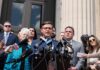


On a day reserved to honor fallen service members, Minneapolis Mayor Jacob Frey’s public remembrance of George Floyd reignited a bitter fight over what, and whom, the nation chooses to memorialize.
Story Snapshot
- Minneapolis Mayor Jacob Frey faced backlash for highlighting George Floyd on Memorial Day, drawing criticism that veterans were sidelined [7].
- Archived video and city documents show Frey has long framed Floyd’s death as transformational for Minneapolis and supported George Floyd Square as a civic project that “honors George Floyd” [1][2].
- The dispute reflects broader national tensions over public memory, policing, race, and the boundaries of civic commemoration [6][7].
- Evidence confirms Frey’s ongoing commemorations; available sources do not provide a full transcript of this year’s Memorial Day remarks, limiting precision about what he said and when [2][7].
What Triggered The Uproar
Conservative outlets and social media accounts accused Mayor Jacob Frey of honoring George Floyd on Memorial Day while giving insufficient recognition to fallen service members, casting the choice as disrespectful to veterans [7]. The criticism centered on timing and symbolism, not just content, arguing Memorial Day is a solemn tradition with a precise purpose. The controversy intensified online, where users framed the mayor’s message as part of a broader shift in civic priorities away from military sacrifice toward politicized social causes [7].
Townhall reported that Frey highlighted George Floyd on Memorial Day, prompting claims that tributes to those killed in military service were overshadowed [7]. The piece captured a wave of posts alleging the mayor only later mentioned Memorial Day after facing questions from critics [7]. While the social reaction documented the backlash ecosystem, the reporting did not include a verbatim transcript of the mayor’s full message. That gap makes it difficult to verify exact wording or sequencing beyond the backlash narrative itself [7].
What The Record Shows About Frey And Floyd
Video from George Floyd’s memorial in 2020 shows Frey kneeling and crying at Floyd’s casket, a moment that signaled how his administration would publicly frame Floyd’s death as a turning point for Minneapolis [1]. A December 2025 bulletin from the City of Minneapolis described advancing a “flexible-open street concept” for George Floyd Square that “honors George Floyd” while centering healing and unity, confirming the administration’s ongoing commemorative approach [2]. A contemporaneous mayoral press appearance in 2020 further underscored that framing [3].
Public documentation ties Frey personally and officially to continued remembrance activities connected to George Floyd, including appearances with Floyd’s family and the persistence of civic memorials [6]. The city’s 2025 update demonstrates that remembrance has been institutionalized through urban design decisions and community programming [2]. These records do not, however, independently confirm the exact language Frey used on the most recent Memorial Day, leaving open questions about emphasis and tone in the latest message [2][6].
Why Memorial Day Frictions Keep Surfacing
Memorial Day carries a clear purpose: honoring United States service members who died in military service. When leaders spotlight other subjects on that day—however meaningful locally—it often triggers anger from people who view the shift as diluting a sacred civic ritual [7]. Minneapolis remains a focal point for these tensions because George Floyd’s death led to protests, policing debates, and lasting civic changes, which some see as overdue reform and others see as governmental distraction from core public safety and civic duties [6][7].
Minneapolis Mayor Jacob Frey Sparks Major Social Media Uproar After Posting a Disgusting Message Honoring George Floyd on Memorial Day https://t.co/yNuyXzV7i9 #gatewaypundit via @gatewaypundit
— rehj00 (@rehj00) May 26, 2026
The conflict aligns with a larger national divide over who receives public honor, which tragedies deserve prominent commemoration, and how governments balance symbolic gestures with concrete responsibilities. Supporters say acknowledging Floyd’s legacy reflects community pain and a commitment to repair; critics say leaders elevate symbolism while failing to curb crime, manage budgets responsibly, or prioritize veterans consistently. Both sides converge on a deeper frustration: institutions appear more responsive to optics than to measurable improvements in people’s lives [2][6][7].
What To Watch Next
City follow-up statements could clarify whether Frey coupled his Floyd remembrance with explicit Memorial Day language and veteran recognition in real time. Policy outcomes around George Floyd Square will also matter: continued investment, programming choices, and security posture will show whether the site serves broad civic needs or a narrower narrative [2]. Finally, expect national campaigns to leverage this dispute, reinforcing a long-running pattern where commemoration choices become proxies for debates over policing, inequality, and governmental priorities [6][7].
Sources:
[1] YouTube – Minneapolis Mayor Jacob Frey cries at George Floyd’s …
[2] Web – Mayor Frey Celebrates Major Step Forward for George Floyd Square
[3] Web – Minneapolis Mayor Speech After George Floyd Death | Rev
[6] Web – Memorials to George Floyd – Wikipedia
[7] Web – Why Is This Democrat Spending Memorial Day Honoring George …